Jing'an Shines Bright on Global Stage
with 'Our Water' Initiative

Jing'an was back in global spotlight after making it to the third season of "Our Water: Flowing from Shanghai – Intercultural Dialogues among World Cities," a cultural exchange program between Shanghai and major international cities.
After Paris and London, the Shanghai-New York City Dialogue series brought together business leaders, urban specialists, and cultural personalities in New York to discuss cross-border cooperation, urban development, and new models for global city collaborations.
At "Shaping Excellence: Jing'an CAZ and China-US Industry Opportunities" on June 29, Jing'an and US businesspeople discussed investment, urban regeneration, fashion retail, brand alliances, and worldwide expansion.
Co-hosted by Jing'an CAZ (Nanjing Road–Suhe Bay Central Activity Zone) and the Global Business Districts (GBD) Innovation Club, the event attracted more than 10 US companies who were interested in exploring opportunities in Shanghai.
Julia Solodova, GBD Innovation Club project manager, said central business districts have become hubs for innovation, consumerism, and economic growth. "Jing'an CAZ has demonstrated to the world its ability to enhance the quality of the city while maintaining global competitiveness," she said.
The launch of "inFLux Shanghai-New York Fashion Introduction Plan" was another highlight. The initiative supports international fashion brands trying to enter China by providing services ranging from initial planning to commercial implementation.
The "Rivers of Opportunities" forum discussed the future of urban centers. Jing'an CAZ and the GBD Innovation Club launched the "World-Class CAZ Decoding Initiative" to explore how future city centers can integrate commerce, culture, ecology and public life.
Speakers included Yao Ming, chairman of the Yao Foundation; Jennifer Leemann, senior vice president of Tapestry; Josh Perlman, executive vice president of Authentic Brands Group; and Zhang Junwei, deputy director of the Jing'an CAZ Management Office.
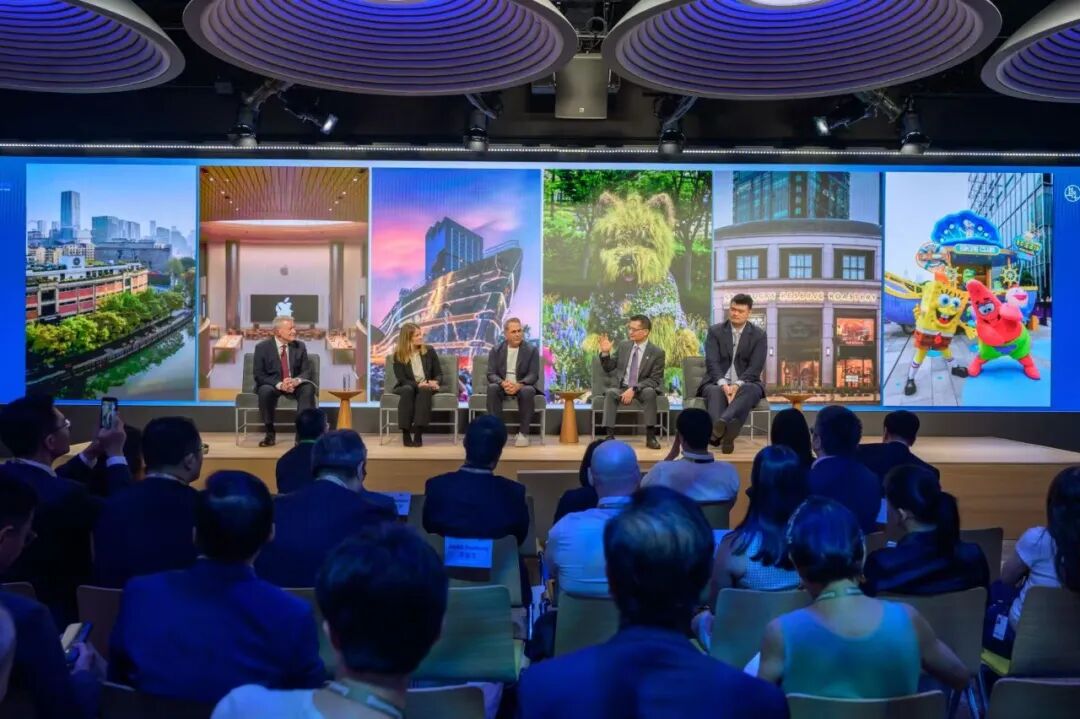
The talks highlighted Shanghai and New York's consumption, brand innovation, and lifestyle capabilities. The Asia-Pacific headquarters of Tapestry and Authentic Brands Group in Jing'an CAZ reflected on the district's growing role in connecting global brands to China's consumer market.
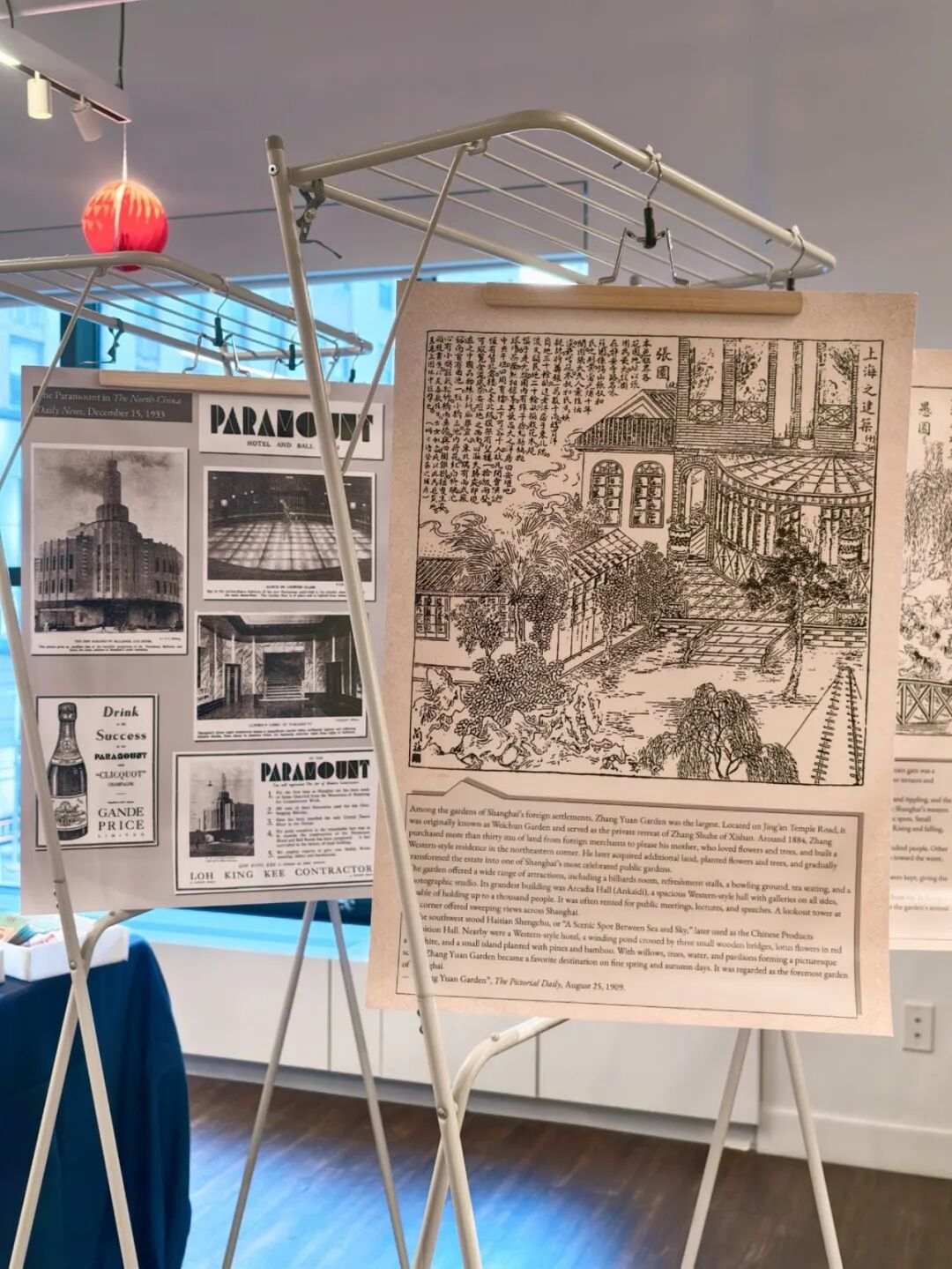
Along with commercial exchanges, Jing'an's "Then and Now" exhibition at the China Institute in America showcased the district's transformation over a century through everyday objects, archival photos, newspapers, and film footage.
The exhibition tells Jing'an's story through its daily life. Landmarks like Zhangyuan Garden, Sihang Warehouse and Tianhou Palace illustrate how commerce, architecture, publishing and communities have shaped the district across generations.
"We wanted to create an exhibition that transcends language and geography," said curator Zhu Yining. "By making history something people can read, see and connect with emotionally, we hope Jing'an becomes a gateway to understanding Shanghai while creating a dialogue between the city's memories and those of communities around the world."

Michael Edwards, a consultant with the GBD Innovation Club, said the exhibition captured Jing'an's layered identity, from its historical roots to its contemporary energy. Charles A. Riley II, director of the Gallery at the China Institute in America, said the modern images and century-old archives made the district's evolution feel "vivid and immediate."
Jing'an Turns Retail Heritage
Into A New Consumer Experience

Jing'an has been Shanghai's retail and fashion hub for decades. Now, the central area is combining historic neighborhoods, fashion brands, and cultural experiences to redefine a commercial district.
It's part of China's consumer market shift. As online shopping grows, cities and retailers are creating places with more than just products to attract visitors.
Zhangyuan Garden, a traditional shikumen (stone-gate) neighborhood, is one of Jing'an's most significant restoration projects. Built in 1892, Zhangyuan was one of Shanghai's most famous private gardens and later became home to largest numbers of shikumen buildings.
In 2018, a conservation-focused refurbishment began to protect its historic character while modernizing the site. After the western section reopened in 2022, part of the eastern section opened on June 30, adding retail, cultural, and lifestyle spaces to the century-old neighborhood.
Seven heritage buildings in the east now host fashion brands, cultural events, and creative activities. CLOSER, the London creative agency behind Louis Vuitton's cruise-shaped monument "The Louis," devised a 100-meter landscaped corridor that preserves the streetscape while adding greenery and public art.
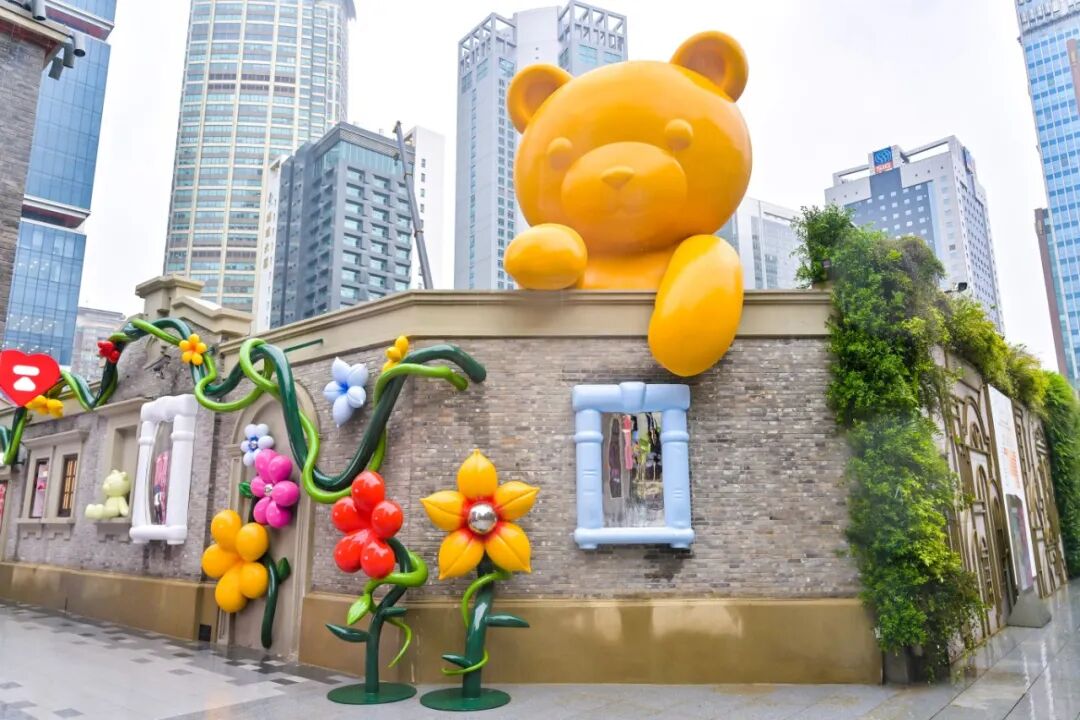
Zhangyuan is part of Nanjing Road W's makeover. "The Louis" at HKRI Taikoo Hui is a new experience-driven retail icon nearby. Within a year of opening, the commercial area had over 500,000 daily foot traffic and 15.7 percent consumption growth.
International shoppers and tax refunders from 106 nations and regions spent there.
In addition, Jing'an brand interest has grown. The district added 58 new stores in the first quarter of 2026, double the number from the previous year, as foreign and domestic brands expand their presence here.
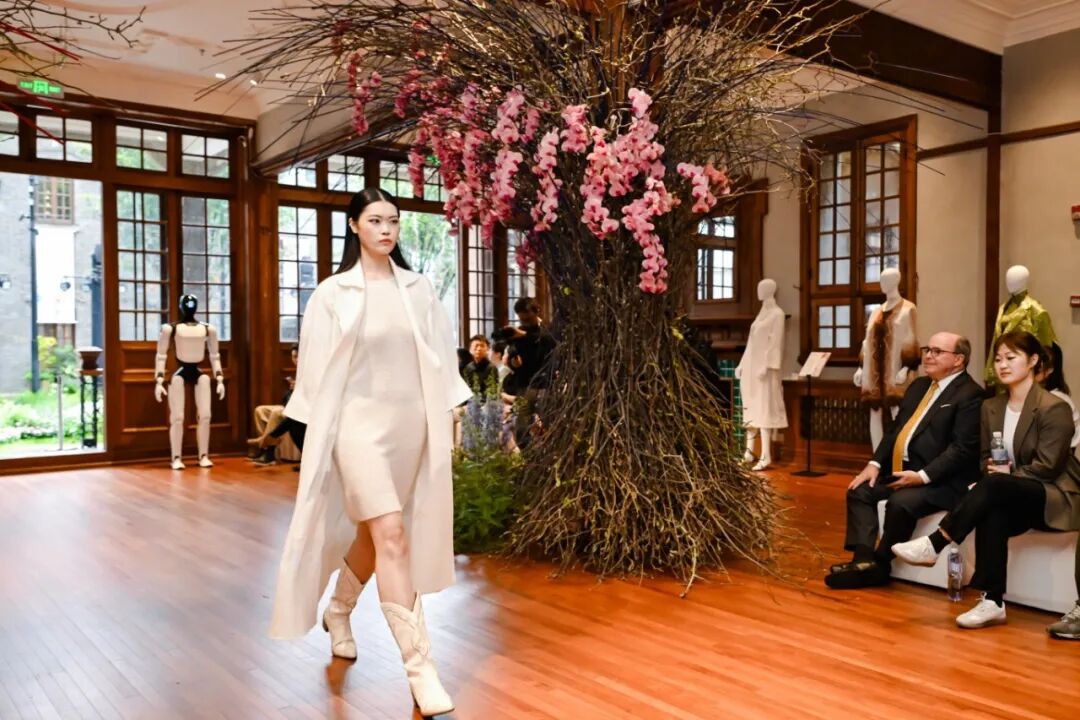
Zhangyuan's historic buildings hosted runway presentations and exhibitions during the 2026 Jing'an Fashion Culture Week, transforming the area into a contemporary design hub.
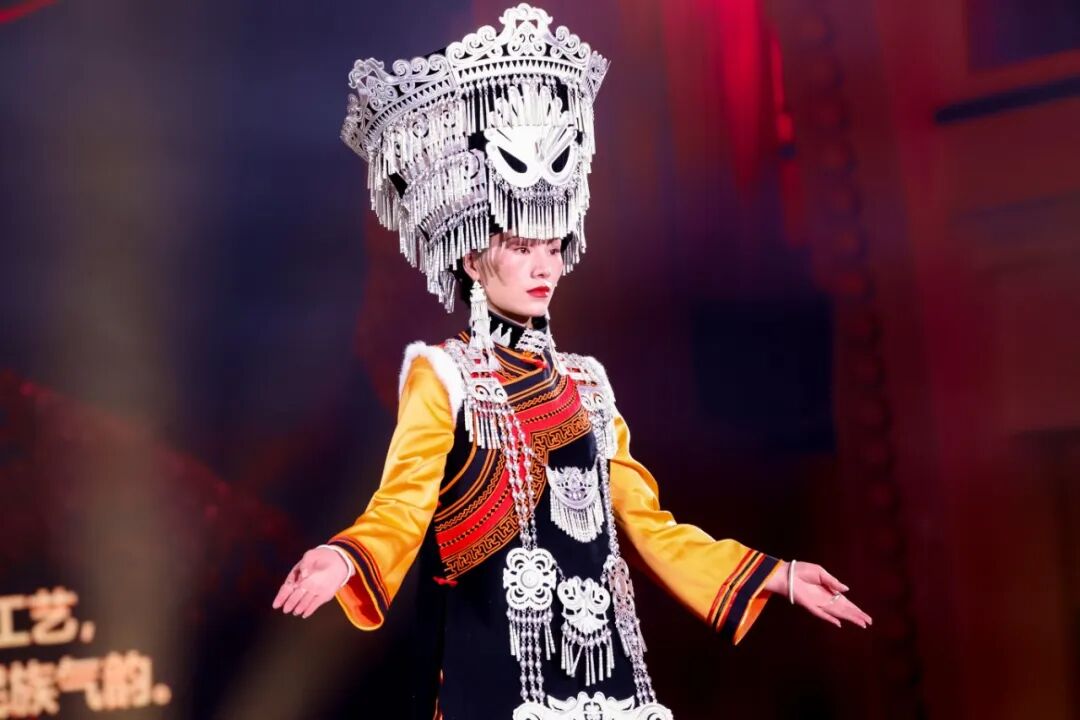
The 2026 China Annual Trends Summit was held at the Shanghai Exhibition Center in July. Fashion, cultural, sports, cinema, and television leaders discussed how creative industries are merging during the summit. The opening fashion show combined traditional and modern design.
A similar approach is seen along Suzhou Creek. The riverfront has become an open-air art environment for young Chinese artists during the "Suhe Bay: Oriental Illustration City" event. Labelhood Fashion Week and Shanghai Fashion Week also featured waterfront platforms for designers, buyers, and viewers.
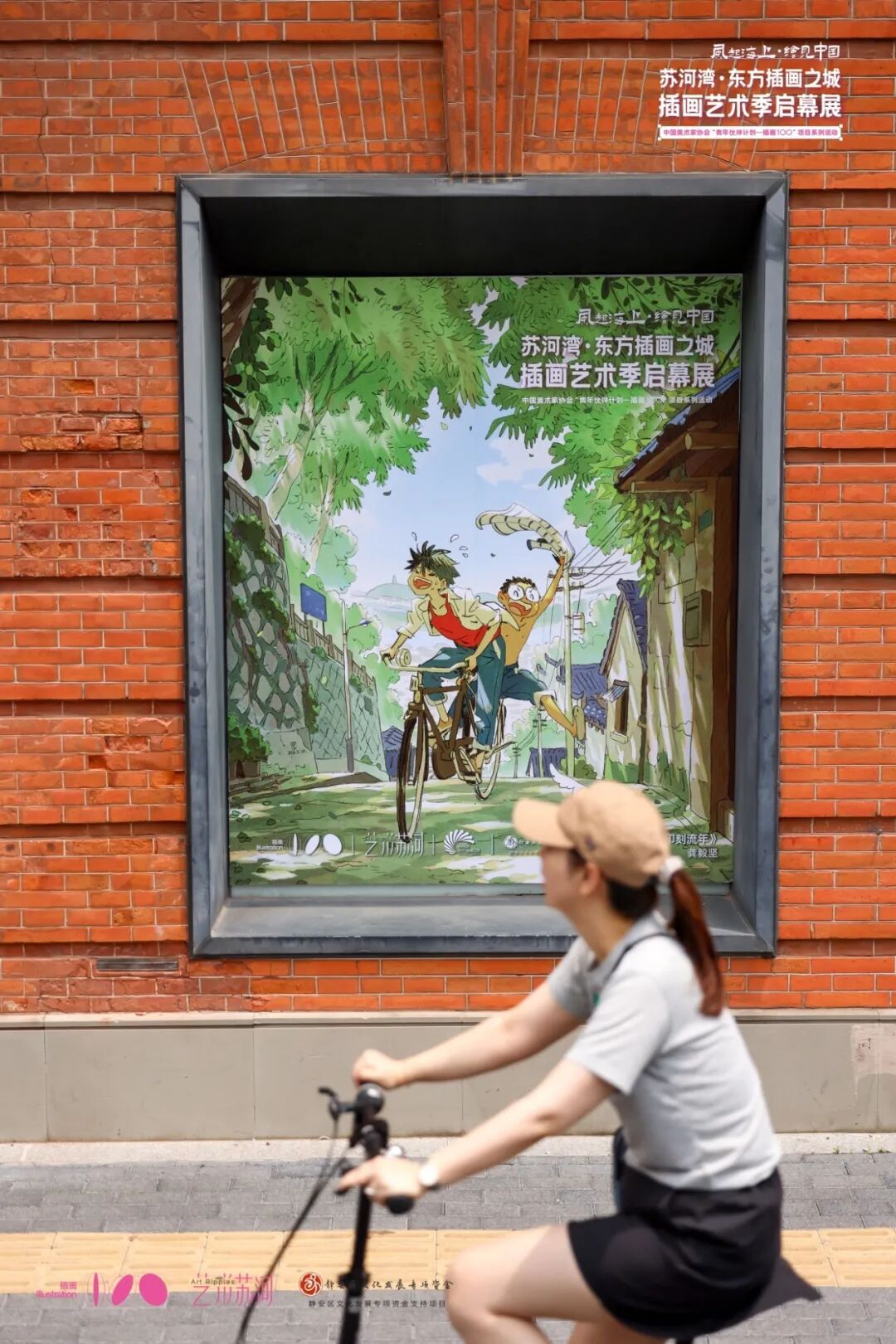
Jing'an is exploring ways to increase cultural spending. Through its digital ticket program, exhibition, performance, and attraction attendees can receive deals from neighboring restaurants, hotels, and businesses. The new "Jing'an GO 2.0" connects cultural events with nearby businesses using AI and data.
The district's experiment underscores a global dilemma for cities: how to keep conventional business areas relevant when customers favor experiences over purchases.
Jing'an On Track
to Become A Global AI Hub


Invest Jing'an
This new column highlights Jing'an's 14th Five-Year Plan (2021–2025) achievements, including a better business environment, competitive industries and thriving emerging sectors. It also highlights the district's efforts to develop key industrial clusters and the 15th Five-Year Plan (2026–2030) to create a modern industrial system with a (3+3)+(1+3+X) framework. The "Invest Jing'an" section highlights the district's efforts in this area.
Jing'an showcased its latest artificial intelligence initiatives at the 2026 World Artificial Intelligence Conference (WAIC), highlighting new applications, industry partnerships and efforts to bring AI into more sectors.
Jing'an Deputy Director Hu Yong said Shanghai is pursuing global AI hub status, with the district using AI for industrial upgrading, technological innovation, and smarter urban development.
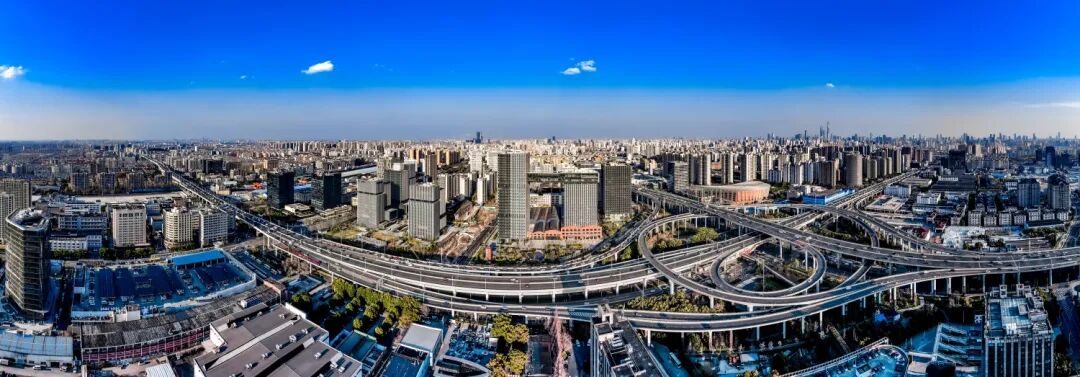
As one of Shanghai's major data intelligence hubs, Jing'an is home to more than one-third of the city's major big data companies. The district is integrating cloud computing, data technologies, AI, blockchain, and embodied intelligence and scientific AI.
Earlier this year, Jing'an launched a three-year action plan (2026–2028) to develop an AI innovation demonstration zone. Fashion, finance, culture, healthcare, education, and urban management will benefit from AI applications as AI firms and commercial use cases proliferate.
Shibei High Technology Group and OpenCSG signed a strategic cooperation agreement at WAIC to coordinate computing infrastructure, AI models, data resources, and industrial applications. The collaboration should aid AI model implementation, technology commercialization, and new business opportunities.
The conference also unveiled the Jing'an AI Application Industry Map, outlining the district's AI resources and companies. Covering 322 local enterprises across 11 application areas, the map includes sectors such as AI-enabled fashion and consumer services, audiovisual industries, professional services, finance, manufacturing, industrial services, embodied intelligence and scientific AI. Among them, 164 companies were selected as representative enterprises.
The map is designed to connect businesses, technology providers and investors, offering a clearer picture of Jing'an's AI landscape and potential areas for cooperation.
Six AI application platforms were also launched, covering professional services, consumer sectors, audiovisual industries, manufacturing, education and daily life. The platforms aim to link technology providers with business needs, helping companies test solutions, expand applications and bring AI technologies into practical use.
In addition, three groups of AI application partners signed cooperation agreements, while representatives from five leading companies shared their AI strategies and requirements for real-world applications.
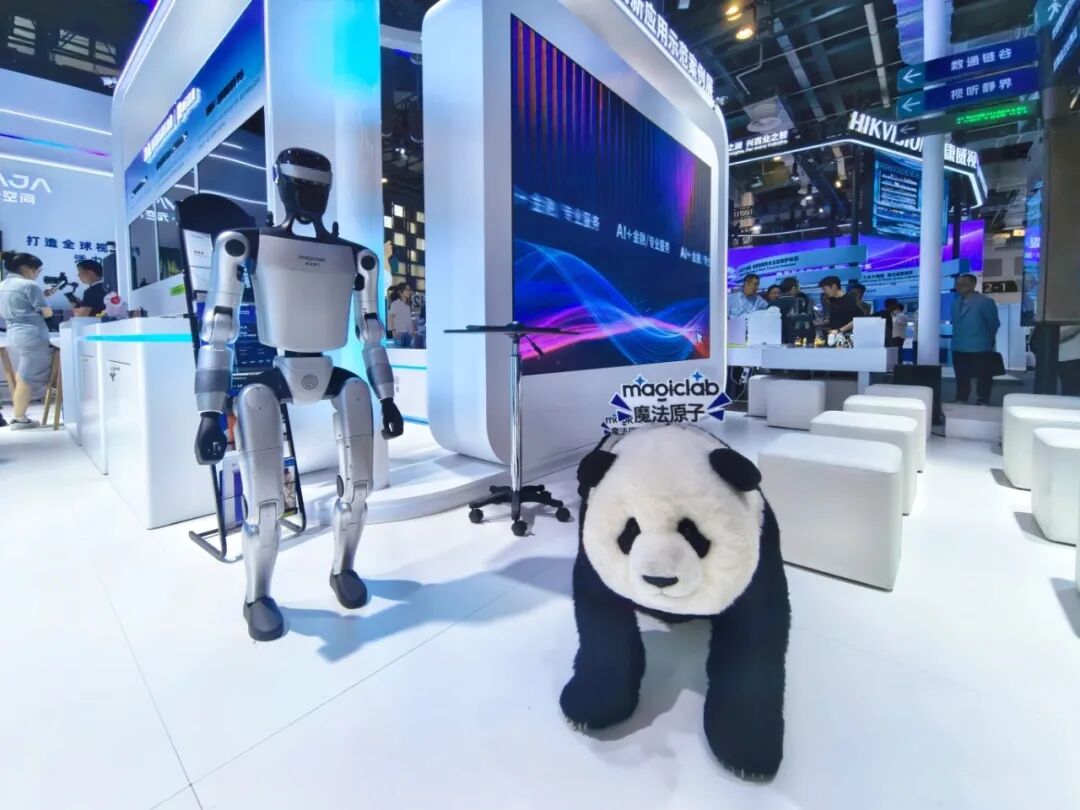
The Jing'an AI+ Scenario Zone at the Shibei exhibition booth showcased AI solutions from over 60 companies. The zone highlighted practical applications across industries and provided a platform for business matchmaking, project discussions and technology exchanges among companies, investors and industry organizations.
Building an innovation economy
Jing'an has strengthened its technology sector by supporting research commercialization, business growth, and technology-traditional industry collaboration.
Technology is being integrated into the district's strengths in commerce, culture, creativity, and professional services. The government has supported data intelligence, life sciences, blockchain, ultra-high-definition audiovisual technologies, beauty, and health while strengthening technology transfer and company incubation platforms.
Jing'an is also building an enterprise-led innovation network by encouraging state-owned companies, multinational headquarters and technology leaders to establish open innovation platforms.
Shanghai wants global pharmaceutical and biotechnology companies to set up research and innovation centers and develop new medicines and medical technologies. Jing'an is encouraging more integrated headquarters that combine R&D, operations, and settlement functions.
It is creating innovation clusters based on local strengths.
Nanjing Road W–Suhe Bay emphasizes high-end technology, innovative goods, and application-driven growth. Daning is creating a culture-and-technology hub for AI content creation, beauty, health, and next-generation audiovisual industries.
Shibei is becoming an international science and innovation cluster by focusing on AI, blockchain, and data intelligence.
编辑:徐悦琳、王艺萌
资料:区新闻办、上海日报
转载请注明来自上海静安官方微信